
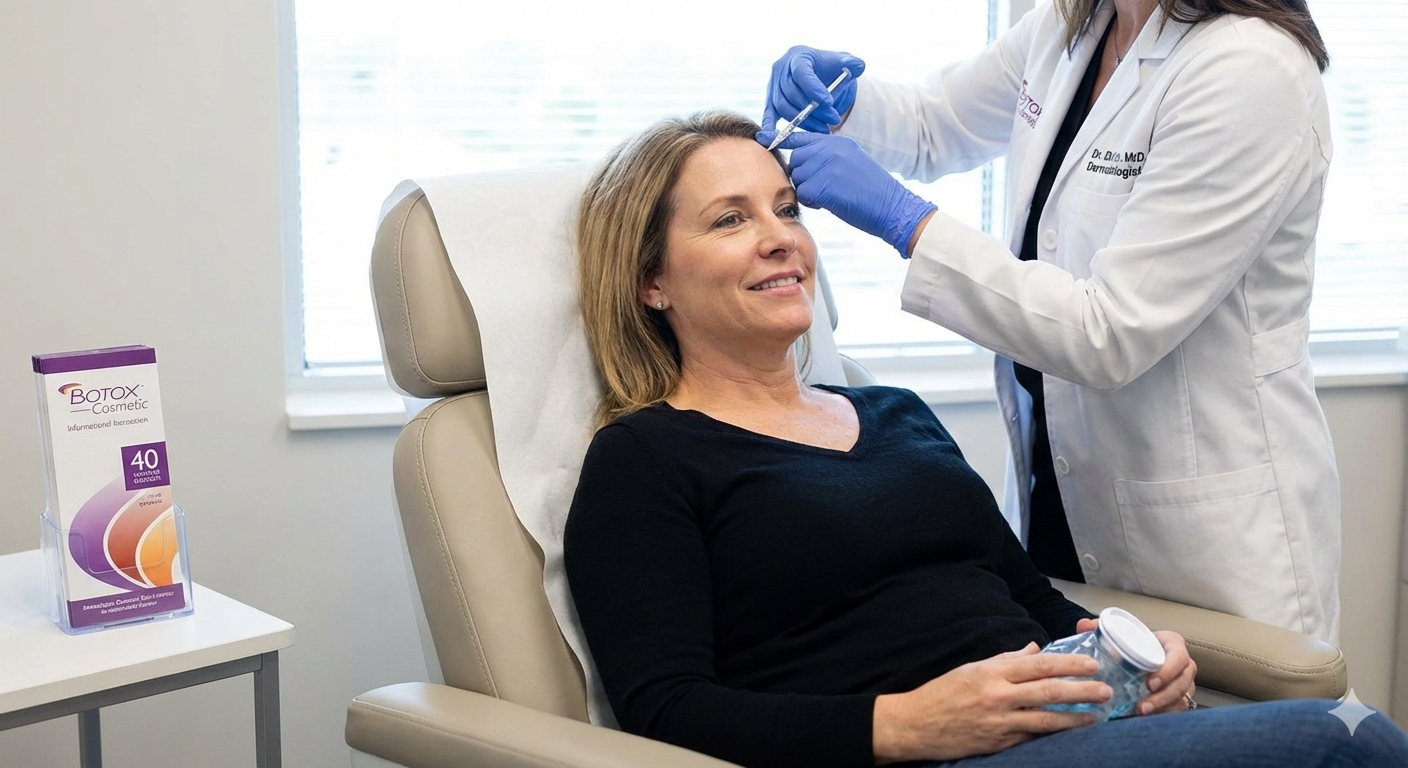

When considering Botox treatment at a medical spa, understanding potential side effects is crucial for making an informed decision. While Botox, Dysport, and Daxxify are generally safe when administered by qualified professionals, being aware of possible complications helps you prepare and recognize when to seek medical attention.
What Is Botox and How Does It Work?
Botox treatment has revolutionized cosmetic medicine, offering a non-surgical solution for reducing wrinkles and fine lines. This neurotoxin works by temporarily blocking nerve signals to muscles, preventing contractions that cause wrinkles. At a professional medical spa, experienced practitioners use precise injection techniques to deliver optimal results while minimizing risks.
The popularity of Botox treatment at medical spas continues to grow due to its effectiveness and relatively quick procedure time. However, like any medical procedure, it carries potential risks that patients should understand before treatment.
Common vs. Serious Side Effects of Botox
Mild and Common Side Effects
Most patients visiting a day spa or medspa for Botox treatment experience only minor, temporary side effects that resolve within days to weeks:
Injection Site Reactions:
- Mild pain or discomfort during injection
- Temporary redness and swelling
- Small bruises at injection points
- Slight bleeding at needle sites
Temporary Muscle Effects:
- Mild headache lasting 24-48 hours
- Temporary muscle weakness near injection sites
- Slight facial asymmetry that corrects itself
- Temporary drooping that resolves naturally
Moderate Side Effects Requiring Attention
Some patients may experience more noticeable effects that, while not dangerous, require monitoring:
Facial Expression Changes:
- Uneven eyebrow position
- Difficulty making certain facial expressions
- Temporary changes in smile appearance
- Mild speech alterations
Systemic Reactions:
- Flu-like symptoms
- Fatigue lasting several days
- Nausea or dizziness
- Temporary vision changes
The Worst Side Effects of Botox: Serious Complications
Severe Allergic Reactions
The most concerning side effect of Botox treatment is anaphylaxis, a severe allergic reaction that requires immediate medical attention. Symptoms include:
- Difficulty breathing or swallowing
- Severe swelling of face, lips, or throat
- Rapid pulse and dizziness
- Widespread rash or hives
- Loss of consciousness
This reaction is extremely rare but represents a medical emergency. Reputable medical spas maintain emergency protocols and trained staff to handle such situations.
Botulism-Like Symptoms
In rare cases, Botox can cause symptoms similar to botulism poisoning, particularly when the toxin spreads beyond the injection site:
Respiratory Complications:
- Difficulty breathing
- Weakened voice or hoarseness
- Trouble speaking clearly
- Problems swallowing
Muscular Weakness:
- General muscle weakness
- Loss of bladder control
- Difficulty walking or maintaining balance
- Weakness in arms and legs
Cardiovascular Complications
Though uncommon, some patients may experience cardiovascular side effects:
- Irregular heartbeat
- Chest pain or pressure
- Significant blood pressure changes
- Fainting or severe dizziness
Neurological Effects
Serious neurological complications, while rare, can occur:
Central Nervous System Effects:
- Severe headaches lasting weeks
- Vision problems or double vision
- Seizures (extremely rare)
- Cognitive changes or confusion
Peripheral Nerve Effects:
- Numbness extending beyond injection sites
- Permanent nerve damage (very rare)
- Loss of sensation in treated areas
- Chronic pain syndromes
Factors That Increase Risk of Severe Side Effects
Patient-Related Risk Factors
Certain conditions increase the likelihood of experiencing serious side effects from Botox treatment:
Medical Conditions:
- Neuromuscular disorders (myasthenia gravis, ALS)
- Autoimmune diseases
- Bleeding disorders
- Previous allergic reactions to botulinum toxin
Medications and Supplements:
- Blood thinners (warfarin, aspirin)
- Muscle relaxants
- Certain antibiotics
- Supplements affecting blood clotting
Treatment-Related Risk Factors
The quality of your medical spa and practitioner significantly impacts safety:
Practitioner Experience:
- Inadequate training in injection techniques
- Poor understanding of facial anatomy
- Inexperience with complication management
- Lack of medical background
Treatment Environment:
- Non-sterile injection conditions
- Inadequate emergency preparedness
- Poor patient screening procedures
- Use of counterfeit or improperly stored products
When to Seek Immediate Medical Attention
Understanding when side effects require emergency care can be life-saving. Contact emergency services immediately if you experience:
- Difficulty breathing or swallowing
- Severe allergic reaction symptoms
- Chest pain or irregular heartbeat
- Sudden vision changes or blindness
- Severe weakness or paralysis
- Signs of infection with fever
For less severe but concerning symptoms, contact your medical spa or healthcare provider:
- Persistent headaches lasting more than a week
- Unusual muscle weakness
- Changes in vision or double vision
- Difficulty speaking or swallowing
- Severe bruising or swelling
Minimizing Risks: Choosing the Right Medical Spa
Research Your Provider
Selecting a qualified medical spa significantly reduces the risk of serious complications:
Credentials to Verify:
- Board-certified physicians or nurse practitioners
- Specialized training in cosmetic injections
- Clean safety record and positive reviews
- Proper licensing and certifications
Facility Standards:
- Clean, medical-grade environment
- Emergency protocols in place
- Proper storage of neurotoxins
- Comprehensive patient screening procedures
Pre-Treatment Consultation
A thorough consultation at your chosen medspa should include:
Medical History Review:
- Current medications and supplements
- Previous reactions to treatments
- Existing medical conditions
- Pregnancy or breastfeeding status
Treatment Planning:
- Realistic expectation setting
- Discussion of potential risks
- Customized treatment approach
- Post-treatment care instructions
Post-Treatment Care and Monitoring
Immediate Aftercare
Proper care following Botox treatment at your day spa reduces complication risks:
First 24 Hours:
- Avoid lying down for 4 hours
- Stay upright and avoid strenuous exercise
- Don’t massage or rub treated areas
- Avoid alcohol and blood thinners
First Week:
- Monitor injection sites for unusual changes
- Avoid extreme temperatures
- Follow up with your medical spa as scheduled
- Report any concerning symptoms immediately
Long-Term Monitoring
Continue monitoring your condition for several weeks after treatment:
- Track any changes in muscle function
- Note any persistent or worsening symptoms
- Maintain communication with your provider
- Schedule follow-up appointments as recommended
Alternative Treatments and Considerations
Comparing Botox, Dysport, and Daxxify
Different neurotoxins available at medical spas have varying risk profiles:
Botox:
- Most extensively studied
- Predictable results and side effect profile
- Widely available at most medical spas
- Extensive safety data
Dysport:
- Faster onset of action
- May spread more than Botox
- Different dilution and dosing
- Similar safety profile to Botox
Daxxify:
- Longer-lasting results
- Newer product with less long-term data
- May have different side effect patterns
- Requires experienced practitioners
Non-Neurotoxin Alternatives
Consider discussing alternative treatments at your spa:
- Dermal fillers for volume loss
- Laser treatments for skin texture
- Chemical peels for surface improvements
- Radiofrequency treatments for skin tightening
The Importance of Informed Consent
Understanding Your Rights
Before receiving Botox treatment at any medical spa, you have the right to:
- Complete information about risks and benefits
- Time to consider your decision
- Answers to all your questions
- A copy of your treatment plan and consent forms
Questions to Ask Your Provider
Essential questions for your medspa consultation:
- What are the specific risks for my situation?
- How many similar procedures have you performed?
- What emergency protocols are in place?
- What should I do if complications arise?
- How will you monitor my progress?
Managing Expectations and Recovery
Realistic Timeline for Results
Understanding normal healing helps distinguish between expected effects and complications:
Week 1-2:
- Gradual onset of muscle relaxation
- Possible mild swelling or bruising
- Initial assessment of treatment effects
- Minor adjustments in facial expressions
Week 3-4:
- Full treatment effects visible
- Any asymmetry should resolve
- Return to normal activities
- Evaluation for touch-up needs
When Results Don’t Meet Expectations
If your Botox treatment doesn’t achieve desired results:
- Discuss options with your medical spa
- Consider touch-up treatments
- Evaluate technique adjustments
- Explore alternative approaches
Frequently Asked Questions
How common are serious side effects from Botox?
Serious side effects from Botox treatment are extremely rare when performed by qualified professionals at reputable medical spas. Studies show that severe complications occur in less than 1% of treatments, with most patients experiencing only mild, temporary side effects.
Can Botox side effects be permanent?
Most Botox side effects are temporary and resolve within 3-6 months as the neurotoxin effects wear off. However, in extremely rare cases involving nerve damage or severe allergic reactions, some effects may be long-lasting. This emphasizes the importance of choosing an experienced medical spa.
What should I do if I experience side effects after leaving the spa?
Contact your medical spa immediately if you experience any concerning symptoms. For severe reactions like difficulty breathing, swallowing problems, or signs of allergic reaction, seek emergency medical care right away. Most reputable medical spas provide 24-hour contact information for post-treatment concerns.
How long after treatment can side effects appear?
Most common side effects appear within hours to a few days after Botox treatment. However, some effects like muscle weakness or drooping can develop up to two weeks post-treatment. Serious systemic effects, though rare, typically occur within the first few days.
Are there people who should never get Botox?
Yes, certain individuals should avoid Botox treatment entirely. This includes people with neuromuscular disorders, those allergic to botulinum toxin, pregnant or breastfeeding women, and individuals with certain infections at injection sites. A thorough consultation at a qualified medical spa will identify any contraindications.
How can I tell if my medical spa is qualified to perform Botox?
Look for medical spas with board-certified physicians, proper licensing, clean facilities, and comprehensive consultation processes. Qualified providers will thoroughly review your medical history, explain risks and benefits, and have emergency protocols in place. Don’t hesitate to ask about credentials and experience.
Moving Forward with Confidence
Understanding the potential risks of Botox treatment empowers you to make informed decisions about your cosmetic care. While serious side effects are rare, being aware of warning signs and choosing a qualified medical spa significantly enhances your safety and satisfaction.
The key to successful Botox treatment lies in thorough research, honest communication with your provider, and realistic expectations. By selecting a reputable medspa with experienced practitioners, following pre and post-treatment instructions carefully, and maintaining open communication about any concerns, you can minimize risks while achieving your aesthetic goals.
Remember that your safety should always be the top priority when considering any cosmetic procedure. Take time to research providers, ask questions, and trust your instincts when selecting a medical spa for your Botox treatment. With proper care and qualified professionals, you can enjoy the benefits of neurotoxin treatments while minimizing the risk of complications.
Your journey toward refreshed, youthful-looking skin should be both safe and satisfying. By staying informed about potential side effects and working with experienced professionals at a trusted day spa or medical spa, you’re taking important steps toward achieving your aesthetic goals safely and effectively.