

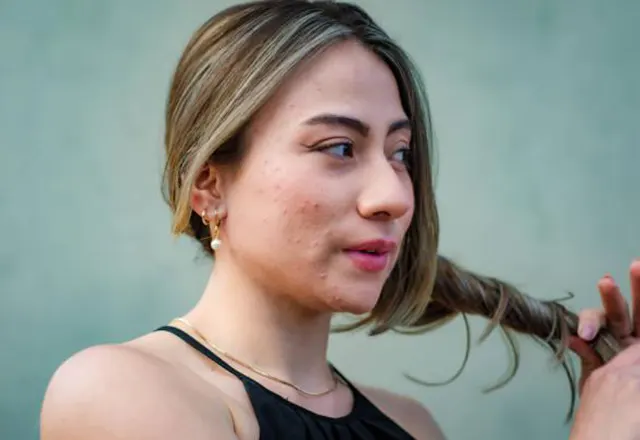
Dealing with acne can be frustrating, especially when you’re eager to see results from your treatment plan. Whether you’re considering professional acne treatments at a medical spa or exploring various facial aesthetics treatments, understanding realistic timelines for improvement is crucial for managing expectations and staying committed to your skincare journey.
The truth is that acne treatment timelines vary significantly based on multiple factors, including the type of treatment chosen, severity of acne, individual skin characteristics, and consistency of care. This comprehensive guide will help you understand what to expect from different treatment options and how to maximize your results.
Understanding Acne: The Foundation of Effective Treatment
Before diving into treatment timelines, it’s essential to understand what causes acne and how different treatments address these underlying factors.
Acne develops when hair follicles become clogged with oil (sebum) and dead skin cells. This creates an environment where bacteria, particularly Propionibacterium acnes, can thrive and cause inflammation. Several factors contribute to acne development:
- Hormonal fluctuations that increase oil production
- Genetics and family history
- Certain skincare products that clog pores
- Environmental factors and pollution
- Stress levels and lifestyle choices
Can Stress Make Acne Worse?
Yes, stress can significantly impact acne severity. When you’re stressed, your body produces higher levels of cortisol and other stress hormones. These hormones stimulate oil glands to produce more sebum, creating ideal conditions for acne development. Additionally, stress can worsen inflammation and slow down the healing process, making existing breakouts last longer and appear more severe.
Understanding this connection between stress and acne is crucial because it highlights why comprehensive acne treatments at a professional medical spa often include lifestyle counseling alongside clinical procedures.
Timeline Expectations for Different Acne Treatment Categories
Topical Treatments: The Foundation Phase
Topical treatments, including prescription retinoids, benzoyl peroxide, and salicylic acid, typically require the longest commitment before visible results appear.
Initial Phase (0-2 weeks): During the first two weeks, many people experience what’s called the “purging” phase. Your skin may actually appear worse as the treatment brings existing clogged pores to the surface more quickly. This is normal and indicates that the treatment is working.
Early Improvement (2-6 weeks): You may begin to notice fewer new breakouts forming, though existing blemishes may still be healing. The skin’s texture might start to feel smoother.
Significant Results (6-12 weeks): This is when most people see noticeable improvement in their acne. Breakouts become less frequent and less severe, and post-inflammatory hyperpigmentation may begin to fade.
Optimal Results (3-6 months): Full benefits of topical treatments typically become apparent after three to six months of consistent use. At this point, you should see a significant reduction in acne lesions and improved overall skin texture.
Professional Medical Spa Treatments: Accelerated Results
Facial aesthetics treatments performed at a professional medical spa often provide faster visible results compared to at-home topical treatments alone.
Chemical Peels
Chemical peels are among the most popular acne treatments offered at medical spas because they provide relatively quick results.
Immediate Effects (1-3 days): Right after a chemical peel, you may notice some redness and mild peeling. This is part of the healing process.
Initial Results (1-2 weeks): As your skin completes the peeling process, you’ll likely notice improved texture, reduced appearance of blackheads, and a brighter complexion.
Cumulative Benefits (4-6 treatments): Most professionals recommend a series of peels spaced 2-4 weeks apart. After completing a full series, you can expect significant improvement in acne scarring, hyperpigmentation, and overall skin clarity.
Microneedling
Microneedling stimulates collagen production while creating micro-channels that enhance product penetration.
Immediate Response (24-48 hours): Expect some redness and mild swelling immediately after treatment, similar to a sunburn.
Early Results (1-2 weeks): Skin texture begins to improve, and you may notice a subtle glow as cellular turnover increases.
Progressive Improvement (3-6 sessions): Optimal results typically require multiple sessions spaced 4-6 weeks apart. By the end of a treatment series, you should see significant improvement in acne scarring and overall skin texture.
Laser Treatments
Laser therapies target acne-causing bacteria and reduce inflammation while promoting healing.
Immediate Effects (0-7 days): Some treatments may cause temporary redness or mild swelling that resolves within a week.
Early Improvement (2-4 weeks): Reduction in active breakouts becomes noticeable as bacteria levels decrease and inflammation subsides.
Optimal Results (3-6 months): Full benefits of laser treatments typically develop over several months as the skin continues to heal and regenerate.
Oral Medications: Systemic Approach
For moderate to severe acne, oral medications may be necessary to achieve optimal results.
Antibiotics
Initial Response (2-4 weeks): Oral antibiotics begin reducing bacterial counts and inflammation relatively quickly.
Significant Improvement (6-8 weeks): Most people see substantial reduction in inflammatory acne lesions by this point.
Maximum Benefits (3-4 months): Full benefits are typically achieved within three to four months, though long-term antibiotic use requires careful monitoring.
Hormonal Treatments
For women with hormonal acne, treatments like birth control pills or spironolactone can be highly effective.
Initial Changes (6-8 weeks): Hormonal treatments take time to regulate hormone levels and reduce oil production.
Noticeable Improvement (3-4 months): Significant reduction in hormonal breakouts typically becomes apparent after three to four months.
Optimal Results (6-12 months): Full benefits may take up to a year to achieve as hormone levels stabilize.
Factors That Influence Treatment Timeline
Acne Severity and Type
The severity and type of acne significantly impact treatment timelines:
- Mild acne (blackheads, whiteheads, few inflammatory lesions) typically responds within 6-12 weeks
- Moderate acne (more numerous inflammatory lesions) may take 12-16 weeks to show significant improvement
- Severe acne (deep, painful cysts and nodules) often requires 4-6 months or longer to achieve optimal results
Individual Skin Characteristics
Several personal factors influence how quickly you’ll see results:
- Age: Younger skin typically responds faster due to higher cellular turnover rates
- Skin type: Oily skin may take longer to regulate, while sensitive skin may require gentler, slower approaches
- Previous treatments: Skin that has been over-treated may need time to heal before responding to new treatments
- Overall health: Good nutrition, adequate sleep, and stress management support faster healing
Treatment Consistency and Compliance
Consistency is crucial for achieving optimal results from any acne treatment program. Skipping treatments or inconsistent product use can significantly delay improvement.
Lifestyle Factors
Several lifestyle factors can either accelerate or slow down treatment results:
- Diet: High-glycemic foods and dairy products may worsen acne in some individuals
- Sleep quality: Poor sleep can increase stress hormones and slow healing
- Exercise: Regular exercise improves circulation and stress management but requires proper post-workout skincare
- Stress management: As mentioned earlier, chronic stress can significantly impact acne severity
Maximizing Your Treatment Results
Creating a Comprehensive Treatment Plan
The most effective approach to acne treatments often involves combining multiple modalities. A professional medical spa can help design a comprehensive plan that might include:
- Professional treatments (chemical peels, microneedling, laser therapy)
- Prescription topical medications
- Appropriate skincare products
- Lifestyle modifications
- Stress management techniques
The Importance of Professional Guidance
Working with qualified professionals at a medical spa offers several advantages:
- Customized treatment plans based on your specific skin type and acne severity
- Professional-grade products that are more effective than over-the-counter options
- Monitoring and adjustments to optimize results and minimize side effects
- Combination therapies that address multiple aspects of acne formation
Patience and Realistic Expectations
One of the most important factors in successful acne treatment is maintaining realistic expectations and patience. Many people give up on treatments too early, just before they would have started seeing significant results.
Remember that:
- Initial worsening is often normal and temporary
- Consistent use is more important than perfect results from day one
- Combining treatments often provides better results than single approaches
- Maintenance is usually necessary to prevent acne recurrence
Advanced Treatment Options and Timelines
Combination Therapy Approaches
Modern facial aesthetics treatments often combine multiple modalities for enhanced results:
HydraFacial with Chemical Peels: This combination can provide immediate glow with progressive improvement over 4-6 sessions.
Laser Therapy with Topical Retinoids: Combining these treatments can accelerate results, with noticeable improvement often seen within 6-8 weeks.
Microneedling with Growth Factors: This advanced combination can significantly improve acne scarring within 3-4 sessions.
Maintenance and Long-term Success
Once you achieve your desired results, maintaining clear skin requires ongoing attention:
- Regular professional treatments every 4-6 weeks
- Consistent home skincare routine
- Periodic treatment adjustments based on skin changes
- Lifestyle maintenance including stress management and healthy habits
Common Mistakes That Delay Results
Over-Treatment and Product Overload
Many people make the mistake of using too many products or treatments simultaneously, which can irritate the skin and delay healing. A professional medical spa can help you avoid this common pitfall.
Inconsistent Treatment Application
Skipping treatments or inconsistent product use is one of the primary reasons people don’t see expected results within normal timelines.
Ignoring Lifestyle Factors
Focusing solely on topical treatments while ignoring factors like stress, diet, and sleep can significantly limit treatment effectiveness.
Premature Treatment Changes
Switching treatments too frequently prevents you from seeing the full benefits of any single approach. Most treatments require at least 6-8 weeks of consistent use before making changes.
Frequently Asked Questions
How long should I wait before switching acne treatments?
Most dermatologists recommend waiting at least 6-8 weeks before making significant changes to your acne treatment regimen. However, if you experience severe irritation or allergic reactions, discontinue use immediately and consult with your skincare professional.
Can I speed up acne treatment results?
While you can’t drastically accelerate the natural healing process, you can optimize results by maintaining consistency, following professional recommendations, managing stress levels, and supporting your skin with proper nutrition and hydration.
Why is my acne getting worse during treatment?
Initial worsening, called “purging,” is common with many acne treatments, especially retinoids and chemical peels. This occurs because treatments accelerate cellular turnover, bringing existing clogged pores to the surface faster. This phase typically lasts 2-6 weeks.
How often should I get professional treatments at a medical spa?
The frequency depends on the specific treatment and your skin’s needs. Generally, chemical peels are performed every 2-4 weeks, microneedling every 4-6 weeks, and laser treatments may be spaced 4-8 weeks apart. Your aesthetician will create a customized schedule based on your treatment plan.
What should I do if I don’t see results after 3 months?
If you haven’t seen any improvement after 12 weeks of consistent treatment, it’s time to reassess your approach. This might involve adjusting treatment strength, adding new modalities, addressing lifestyle factors, or investigating underlying hormonal issues.
Can stress really make my acne treatments less effective?
Absolutely. Chronic stress elevates cortisol levels, which can increase oil production and inflammation while slowing healing processes. Managing stress through exercise, meditation, adequate sleep, and other healthy coping mechanisms can significantly improve treatment outcomes.
Is it normal for acne treatments to cause dryness and irritation?
Some degree of dryness and mild irritation is normal when starting new acne treatments, especially those containing retinoids or benzoyl peroxide. However, severe irritation isn’t normal and may indicate the need for treatment adjustment.
How long do results last after completing an acne treatment program?
Results longevity varies based on the treatment type and individual factors. Professional treatments like chemical peels may provide results lasting 3-6 months, while addressing underlying causes through comprehensive care can provide longer-lasting results. Most people benefit from ongoing maintenance treatments.
Your Path to Clear Skin: Moving Forward with Confidence
Understanding realistic timelines for acne treatments is crucial for maintaining motivation and achieving optimal results. Whether you’re exploring options at a medical spa or considering various facial aesthetics treatments, remember that effective acne treatment is typically a journey rather than a quick fix.
The key to success lies in working with qualified professionals who can assess your unique skin needs and create a comprehensive treatment plan. By combining professional treatments with appropriate home care, lifestyle modifications, and stress management techniques, you can achieve the clear, healthy skin you desire.
Remember that everyone’s skin responds differently to treatments, and what works quickly for one person may take longer for another. The most important factors are consistency, patience, and working with experienced professionals who can guide you through the process and adjust your treatment plan as needed.
Your investment in professional acne treatments at a qualified medical spa can provide not only clearer skin but also increased confidence and improved quality of life. With realistic expectations and commitment to your treatment plan, you’re well on your way to achieving your skincare goals.
Take the first step toward clearer skin by consulting with skincare professionals who can evaluate your specific needs and create a personalized treatment timeline that works for your lifestyle and goals. Your future self will thank you for the patience and dedication you invest in your skin health today.