

Stress and acne share a complex relationship that affects millions of people worldwide. If you’ve ever noticed your skin breaking out during particularly stressful periods, you’re not imagining things. The connection between psychological stress and acne flare-ups is well-documented in dermatological research, making stress management an essential component of effective acne treatment.
Understanding how stress impacts your skin can help you develop better strategies for managing both your mental wellbeing and your complexion. Whether you’re dealing with occasional stress-induced breakouts or chronic acne that worsens during difficult times, this comprehensive guide will explore the science behind stress-related acne and provide practical solutions for clearer, healthier skin.
The Science Behind Stress and Acne
How Stress Affects Your Skin at the Cellular Level
When you experience stress, your body initiates a complex cascade of hormonal and physiological responses. The primary stress hormone, cortisol, plays a significant role in acne development. Elevated cortisol levels trigger several skin-damaging processes:
Increased Oil Production: Stress hormones stimulate the sebaceous glands to produce excess sebum (skin oil). This overproduction creates an ideal environment for acne-causing bacteria to thrive, leading to clogged pores and inflammatory breakouts.
Compromised Skin Barrier: Chronic stress weakens your skin’s natural protective barrier, making it more susceptible to bacterial infections and environmental irritants. This compromised barrier function can exacerbate existing acne and delay the healing process.
Inflammatory Response: Stress triggers the release of inflammatory molecules throughout your body, including your skin. This systemic inflammation can worsen existing acne lesions and increase the likelihood of developing new breakouts.
The Cortisol Connection
Cortisol, often called the “stress hormone,” directly impacts acne development through multiple pathways. When cortisol levels remain elevated for extended periods, it can:
- Increase insulin resistance, leading to higher insulin levels that stimulate oil production
- Disrupt the normal skin cell turnover process, causing dead skin cells to accumulate in pores
- Suppress immune function, making it harder for your body to fight acne-causing bacteria
- Interfere with wound healing, causing acne lesions to persist longer
Types of Stress That Trigger Acne Breakouts
Acute vs. Chronic Stress
Understanding the different types of stress can help you identify your personal acne triggers and develop targeted management strategies.
Acute Stress: Short-term stressors like exams, job interviews, or relationship conflicts can cause temporary spikes in cortisol levels. While these brief stress episodes may trigger minor breakouts, they typically resolve quickly once the stressor is removed.
Chronic Stress: Long-term stress from ongoing work pressure, financial difficulties, or health concerns creates sustained elevation in stress hormones. This persistent hormonal imbalance is more likely to cause severe and recurring acne breakouts.
Common Stress Triggers That Worsen Acne
- Academic or work-related pressure
- Relationship conflicts or family issues
- Financial concerns
- Major life changes or transitions
- Sleep deprivation
- Poor diet and irregular eating patterns
- Lack of exercise or physical activity
Identifying Stress-Related Acne Patterns
Recognizing the Signs
Stress-related acne often presents with distinct characteristics that can help you identify when stress is contributing to your breakouts:
Timing: Breakouts that coincide with stressful periods or events in your life are likely stress-related. Keep a stress and acne diary to track these patterns.
Location: Stress acne commonly appears on the face, particularly around the jawline, chin, and forehead. However, it can also manifest on the chest, back, and shoulders.
Severity: Stress-induced breakouts may be more inflammatory and painful than typical acne, often presenting as deep, cystic lesions that take longer to heal.
The Vicious Cycle of Stress and Acne
One of the most challenging aspects of stress-related acne is the self-perpetuating cycle it creates. Acne breakouts can cause additional stress and anxiety about appearance, which in turn triggers more cortisol production and worsens the acne. Breaking this cycle requires addressing both the physical and emotional aspects of acne management.
Professional Acne Treatment Options
Medical Spa and Medspa Solutions
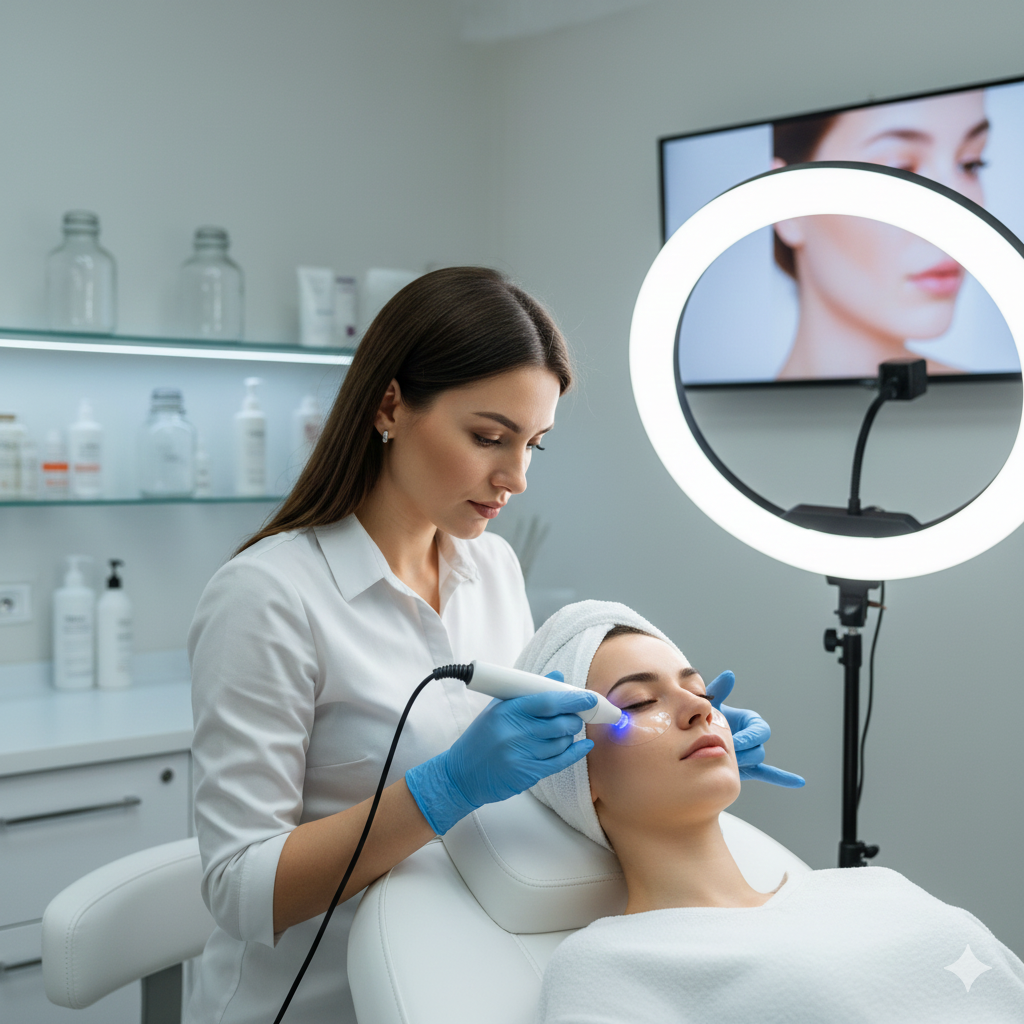
Modern medical spa facilities offer advanced acne treatment options that combine medical expertise with spa-like comfort. These professional treatments can be particularly effective for stress-related acne because they address both the physical symptoms and provide a relaxing environment that helps reduce stress levels.
Professional Chemical Peels: Medical spas offer various chemical peel treatments that can help unclog pores, reduce inflammation, and promote healthy skin cell turnover. These treatments are particularly beneficial for stress-related acne because they can quickly improve skin texture and appearance.
LED Light Therapy: Many medical spas now offer LED light therapy sessions that use specific wavelengths of light to kill acne-causing bacteria and reduce inflammation. This non-invasive treatment can be deeply relaxing while effectively treating acne.
Professional Extractions: Skilled aestheticians at medical spas can safely perform extractions to remove blackheads and whiteheads, preventing them from developing into more severe inflammatory lesions.
Day Spa Treatments for Stress Relief
While medical treatments address the physical aspects of acne, day spa services focus on stress reduction, which can be equally important for managing stress-related breakouts.
Relaxing Facials: Gentle, stress-relieving facials can help calm both your skin and your mind. Look for facials specifically designed for acne-prone skin that use non-comedogenic products.
Massage Therapy: Regular massage sessions can significantly reduce cortisol levels and promote overall relaxation. This stress reduction can have a positive impact on your skin’s health and appearance.
Aromatherapy Treatments: Certain essential oils have both stress-reducing and antibacterial properties, making aromatherapy an excellent complement to traditional acne treatments.
Lifestyle Strategies for Managing Stress-Related Acne
Stress Management Techniques
Developing effective stress management skills is crucial for preventing and treating stress-related acne. Consider incorporating these evidence-based techniques into your daily routine:
Mindfulness and Meditation: Regular meditation practice has been shown to reduce cortisol levels and improve overall skin health. Even 10-15 minutes of daily meditation can make a significant difference.
Deep Breathing Exercises: Simple breathing techniques can quickly activate your body’s relaxation response, helping to counteract the effects of acute stress.
Progressive Muscle Relaxation: This technique involves systematically tensing and relaxing different muscle groups to promote physical and mental relaxation.
Sleep and Skin Health
Quality sleep is essential for both stress management and skin health. During sleep, your body repairs and regenerates skin cells while processing and clearing stress hormones from your system.
Sleep Hygiene Tips:
- Maintain a consistent sleep schedule
- Create a relaxing bedtime routine
- Limit screen time before bed
- Keep your bedroom cool and dark
- Avoid caffeine and large meals close to bedtime
Exercise and Acne Management
Regular physical activity is one of the most effective ways to manage stress and improve skin health. Exercise helps reduce cortisol levels, improve circulation, and promote the elimination of toxins through sweat.
Best Exercises for Stress Relief:
- Yoga and stretching
- Walking or jogging
- Swimming
- Dancing
- Team sports or group fitness classes
Skincare Routines for Stress-Related Acne
Gentle Yet Effective Approaches
When dealing with stress-related acne, it’s important to use skincare products that won’t further irritate already inflamed skin. A gentle, consistent routine is often more effective than aggressive treatments.
Morning Routine:
- Gentle cleanser with salicylic acid or benzoyl peroxide
- Lightweight, non-comedogenic moisturizer
- Broad-spectrum sunscreen (SPF 30 or higher)
Evening Routine:
- Double cleanse to remove makeup and daily buildup
- Treatment product (retinoid, niacinamide, or azelaic acid)
- Hydrating moisturizer
- Spot treatment for active breakouts
Key Ingredients for Stress-Related Acne
Niacinamide: This form of vitamin B3 helps regulate oil production, reduce inflammation, and strengthen the skin barrier. It’s particularly beneficial for stress-related acne because it also has calming properties.
Salicylic Acid: A beta-hydroxy acid that penetrates pores to remove excess oil and dead skin cells. It’s gentle enough for daily use and helps prevent new breakouts.
Adaptogens: Skincare products containing adaptogenic ingredients like ashwagandha, ginseng, or rhodiola can help your skin better cope with stress-related damage.
Diet and Nutrition for Acne Management
Anti-Inflammatory Foods
What you eat can significantly impact both your stress levels and your skin’s health. Focus on incorporating anti-inflammatory foods that support both mental wellbeing and clear skin:
Omega-3 Rich Foods:
- Fatty fish (salmon, mackerel, sardines)
- Walnuts and flaxseeds
- Chia seeds
Antioxidant-Rich Vegetables:
- Leafy greens (spinach, kale, arugula)
- Colorful vegetables (bell peppers, carrots, sweet potatoes)
- Cruciferous vegetables (broccoli, cauliflower, Brussels sprouts)
Probiotic Foods:
- Yogurt with live cultures
- Kefir
- Fermented vegetables (sauerkraut, kimchi)
Foods to Limit or Avoid
Certain foods can increase inflammation and stress hormone production, potentially worsening acne:
- High-glycemic foods (white bread, sugary snacks, processed cereals)
- Dairy products (particularly skim milk)
- Excessive caffeine
- Alcohol
- Highly processed foods
When to Seek Professional Help
Signs You Need Medical Intervention
While lifestyle changes and over-the-counter treatments can be effective for mild stress-related acne, certain situations warrant professional medical attention:
- Severe, cystic acne that doesn’t respond to home treatments
- Acne that causes significant emotional distress or impacts quality of life
- Signs of infection (increased redness, warmth, pus)
- Scarring or post-inflammatory hyperpigmentation
- Acne that suddenly worsens despite consistent treatment
Choosing the Right Healthcare Provider
When seeking professional acne treatment, consider the following options:
Dermatologists: Medical doctors specializing in skin conditions who can prescribe medications and perform advanced procedures.
Medical Spa Practitioners: Licensed professionals who offer medical-grade treatments in a spa setting, combining therapeutic benefits with relaxation.
Licensed Aestheticians: Skincare specialists who can provide professional treatments and personalized skincare guidance.
Frequently Asked Questions
Can stress make acne worse overnight?
While stress doesn’t typically cause immediate breakouts overnight, it can accelerate the development of existing acne lesions. Stress hormones can increase inflammation and oil production within hours, potentially making existing breakouts appear more severe. Most stress-related acne develops over several days to weeks of sustained stress.
How long does it take for stress-related acne to clear up?
The timeline for stress-related acne improvement varies depending on the severity of the breakouts and the effectiveness of your treatment approach. With proper stress management and skincare, you may see initial improvements within 2-4 weeks. However, complete clearing can take 6-12 weeks or longer for more severe cases.
Can relaxation techniques really improve acne?
Yes, relaxation techniques can significantly improve acne by reducing cortisol levels and decreasing overall inflammation in the body. Studies have shown that stress reduction techniques like meditation, yoga, and deep breathing exercises can lead to measurable improvements in acne severity over time.
Should I avoid all skincare products during stress breakouts?
No, you shouldn’t avoid all skincare products during stress breakouts. However, you should focus on gentle, non-irritating products that won’t further inflame your skin. Avoid introducing new products during stressful periods, and stick to a simple, consistent routine with proven ingredients.
Is stress acne different from hormonal acne?
Stress acne and hormonal acne are related but distinct. Stress acne is triggered by elevated cortisol levels due to psychological or physical stress, while hormonal acne is typically related to fluctuations in sex hormones like testosterone and estrogen. However, stress can worsen hormonal acne by disrupting the overall hormonal balance in your body.
Can visiting a spa help with stress-related acne?
Yes, visiting a spa can help with stress-related acne in multiple ways. Spa treatments provide relaxation that reduces stress hormones, while professional facial treatments can address the physical aspects of acne. The combination of stress relief and targeted skincare makes spa visits particularly beneficial for stress-related breakouts.
What’s the difference between a day spa and a medical spa for acne treatment?
A day spa focuses primarily on relaxation and basic skincare treatments, while a medical spa (medspa) offers medical-grade treatments supervised by healthcare professionals. For stress-related acne, a medical spa may provide more effective treatment options like chemical peels, prescription-strength products, and advanced therapies, while still offering the stress-relief benefits of a spa environment.
Moving Forward: Your Journey to Clearer Skin
Understanding the connection between stress and acne is the first step toward achieving clearer, healthier skin. By recognizing how stress affects your skin and implementing comprehensive management strategies, you can break the cycle of stress-related breakouts and improve both your skin health and overall wellbeing.
Remember that managing stress-related acne is a holistic process that requires patience and consistency. Combining professional treatments from a qualified medical spa or dermatologist with effective stress management techniques, proper skincare, and healthy lifestyle choices will give you the best chance of success.
The journey to clearer skin may take time, but with the right approach and support, you can achieve the healthy, confident complexion you deserve. Whether you choose to visit a day spa for relaxation, seek advanced acne treatment at a medspa, or work with a dermatologist for medical intervention, taking action is the most important step you can take.
Your skin’s health is intimately connected to your overall wellbeing, and by addressing both the physical and emotional aspects of acne, you’re investing in a healthier, happier future. Stay committed to your treatment plan, be patient with the process, and remember that clearer skin is within your reach.