

Chronic leg pain affects millions of people worldwide, significantly impacting their quality of life and daily activities. While traditional pain management approaches have long been the standard, innovative treatments like Botox for leg pain are emerging as promising alternatives. This comprehensive guide explores how Botox injections, typically associated with cosmetic procedures at your local medical spa, are revolutionizing pain management for various leg conditions.
Understanding Botox Beyond Cosmetic Applications
Botox, scientifically known as botulinum toxin type A, has evolved far beyond its cosmetic origins. While most people associate Botox with wrinkle reduction at their favorite day spa or medspa, this powerful neurotoxin has gained FDA approval for numerous medical conditions, including chronic pain management.
The mechanism behind Botox’s effectiveness lies in its ability to temporarily block nerve signals that cause muscle contractions and pain sensations. When administered by qualified professionals at a reputable medical spa, Botox can provide significant relief for various types of leg pain that haven’t responded well to conventional treatments.
Types of Leg Pain That May Benefit from Botox Treatment
Muscle Spasticity and Cramping
One of the most well-documented uses of Botox for leg pain involves treating muscle spasticity. This condition, often resulting from neurological disorders such as multiple sclerosis, cerebral palsy, or stroke, causes involuntary muscle contractions that can be extremely painful and debilitating.
Botox injections work by blocking the release of acetylcholine, a neurotransmitter responsible for muscle contractions. This temporary paralysis of overactive muscles can provide relief lasting three to six months, significantly improving mobility and reducing pain levels.
Chronic Compartment Syndrome
Athletes and active individuals may develop chronic compartment syndrome, a condition where pressure builds up within muscle compartments in the legs during exercise. This increased pressure can cause severe pain, numbness, and tingling sensations.
Research has shown that Botox injections into affected muscle compartments can reduce pressure and alleviate symptoms. The treatment works by relaxing the muscles within the compartment, allowing for better blood flow and reduced pressure buildup.
Myofascial Pain Syndrome
Myofascial pain syndrome involves chronic pain in muscle trigger points throughout the legs. These trigger points are hypersensitive areas that can cause referred pain to other parts of the leg or body. Traditional treatments often provide only temporary relief, making Botox for leg pain an attractive alternative.
When injected directly into trigger points, Botox can break the cycle of muscle tension and pain, providing longer-lasting relief than conventional trigger point injections.
Restless Leg Syndrome (RLS)
While not a first-line treatment, some medical professionals have explored using Botox for severe cases of restless leg syndrome that don’t respond to standard medications. The theory is that Botox can reduce the involuntary muscle movements that characterize RLS, potentially improving sleep quality and reducing discomfort.
The Science Behind Botox for Pain Management
Neurological Mechanisms
The effectiveness of Botox for leg pain extends beyond simple muscle relaxation. Recent research has revealed that Botox affects pain pathways in multiple ways:
Neurotransmitter Blocking: Botox prevents the release of various neurotransmitters involved in pain signaling, including substance P, calcitonin gene-related peptide (CGRP), and glutamate.
Nerve Sprouting Inhibition: The treatment can prevent abnormal nerve sprouting that often occurs in chronic pain conditions, helping to break the cycle of persistent pain signals.
Inflammatory Response Reduction: Botox has anti-inflammatory properties that can reduce local inflammation contributing to pain and discomfort.
Clinical Evidence and Research
Multiple clinical studies have demonstrated the effectiveness of Botox injections for various pain conditions affecting the legs. A systematic review published in the Journal of Pain Research found that Botox provided significant pain reduction in 70-80% of patients with chronic muscle pain conditions.
Long-term studies have shown that regular Botox treatments can lead to cumulative benefits, with some patients experiencing longer periods of relief between treatments over time.
What to Expect During Botox Treatment for Leg Pain
Initial Consultation at a Medical Spa
Before considering Botox for leg pain, patients should undergo a comprehensive evaluation at a qualified medical spa or medspa. This assessment typically includes:
- Detailed medical history review
- Physical examination of affected areas
- Discussion of previous treatments and their effectiveness
- Review of current medications and potential interactions
- Setting realistic expectations for treatment outcomes
The Treatment Process
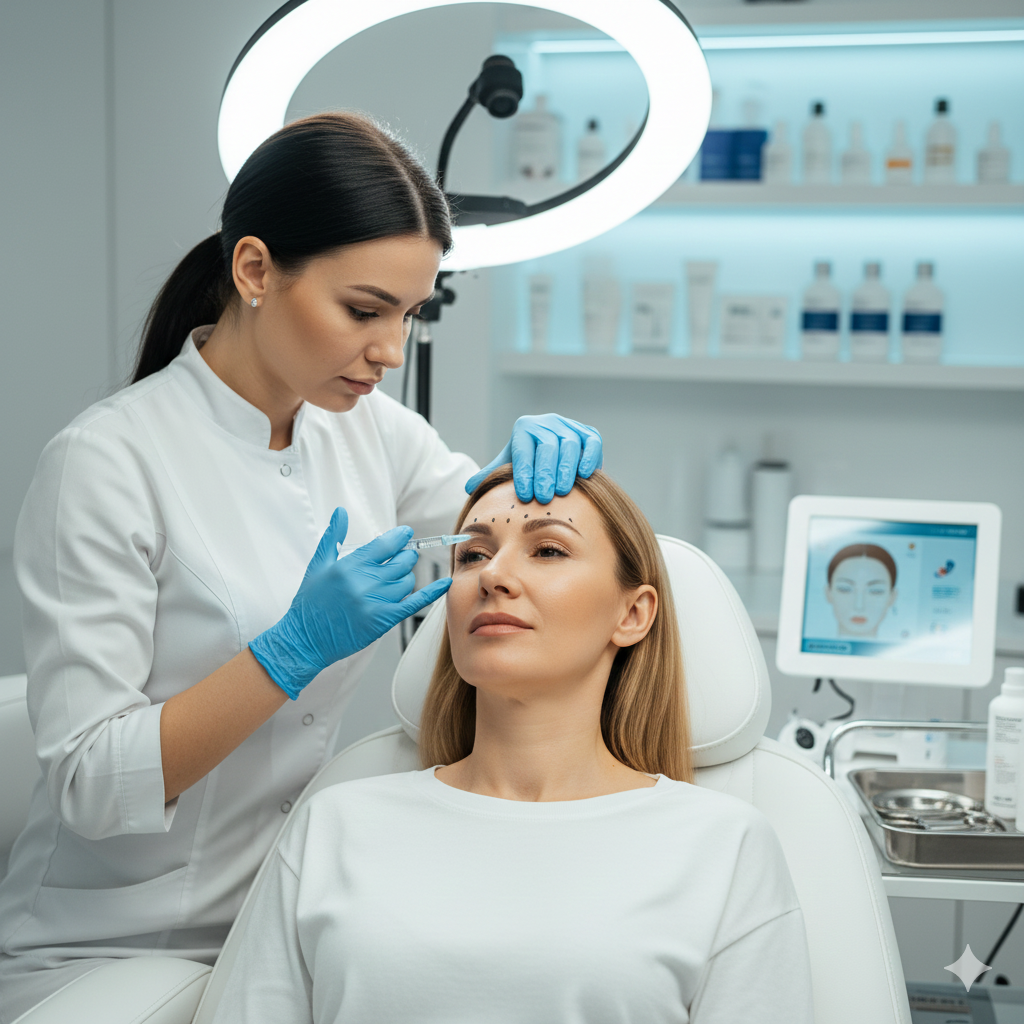
Botox injections for leg pain are typically performed in a comfortable spa setting by trained medical professionals. The process involves:
Preparation: The treatment area is cleaned and may be numbed with a topical anesthetic to minimize discomfort.
Injection Technique: Using fine needles, the practitioner injects small amounts of Botox into specific muscle groups or trigger points identified during the assessment.
Post-Treatment Care: Patients receive detailed aftercare instructions to optimize results and minimize potential side effects.
Recovery and Results Timeline
Unlike cosmetic Botox treatments at a day spa, therapeutic Botox for pain management may take longer to show full effects. Patients typically experience:
- Initial effects within 3-7 days
- Peak effectiveness at 2-4 weeks
- Duration of relief lasting 3-6 months
- Gradual return of symptoms as the treatment wears off
Botox Injections Cost Considerations for Pain Management
Factors Affecting Treatment Costs
The botox injections cost for leg pain treatment can vary significantly based on several factors:
Treatment Area Size: Larger muscle groups or multiple injection sites increase the total cost.
Severity of Condition: More severe cases may require higher doses or more frequent treatments.
Geographic Location: Costs vary by region, with medical spa treatments in metropolitan areas typically commanding higher prices.
Provider Experience: Highly specialized practitioners may charge premium rates for their expertise.
Insurance Coverage and Medical Necessity
Unlike cosmetic Botox treatments at a regular spa, therapeutic Botox for pain management may be covered by insurance when deemed medically necessary. Coverage typically requires:
- Documentation of failed conservative treatments
- Clear medical diagnosis supporting Botox use
- Treatment by qualified medical professionals
- Pre-authorization from insurance providers
Cost-Effectiveness Analysis
When evaluating botox injections cost for leg pain, patients should consider the long-term financial benefits:
- Reduced need for pain medications
- Decreased physical therapy sessions
- Improved work productivity
- Enhanced quality of life
- Potential reduction in other medical interventions
Comparing Botox to Traditional Pain Management Approaches
Advantages of Botox Treatment
Targeted Relief: Unlike oral medications that affect the entire body, Botox for leg pain provides localized treatment with minimal systemic effects.
Long-lasting Results: A single treatment session can provide months of relief, reducing the need for daily medications or frequent medical visits.
Improved Function: By reducing muscle spasticity and pain, Botox can significantly improve mobility and daily functioning.
Minimal Side Effects: When administered properly at a medical spa, Botox has fewer side effects than many oral pain medications.
Limitations and Considerations
Temporary Effects: Botox is not a permanent solution, requiring regular treatments to maintain benefits.
Cost Factors: Initial treatment costs may be higher than traditional medications, though long-term costs may be comparable or lower.
Skill-Dependent: Results heavily depend on the practitioner’s expertise in identifying optimal injection sites and dosing.
Choosing the Right Medical Spa for Botox Pain Treatment
Qualifications and Credentials
When seeking Botox for leg pain treatment, selecting a qualified medical spa is crucial for safety and effectiveness:
Medical Director: Ensure the medspa has a licensed physician overseeing treatments.
Injector Credentials: Verify that practitioners have specific training in therapeutic Botox applications.
Facility Accreditation: Look for medical spas with proper accreditation and safety protocols.
Questions to Ask During Consultation
Before committing to treatment at any spa or medical spa, patients should ask:
- How many similar cases have you treated?
- What is your success rate for this type of pain?
- What are the potential risks and side effects?
- How do you determine the appropriate dosage?
- What is your follow-up protocol?
Potential Side Effects and Safety Considerations
Common Side Effects
While Botox for leg pain is generally well-tolerated, patients may experience:
- Temporary muscle weakness at injection sites
- Mild pain or bruising at injection points
- Flu-like symptoms in some cases
- Temporary walking difficulties if leg muscles are significantly affected
Rare but Serious Complications
Though uncommon when performed at qualified medical spa facilities, serious complications can include:
- Spread of toxin effects to distant muscles
- Difficulty swallowing or breathing (extremely rare with leg injections)
- Severe allergic reactions
Safety Protocols at Medical Spas
Reputable medspa facilities implement strict safety protocols:
- Comprehensive medical screening before treatment
- Use of FDA-approved Botox products
- Proper storage and handling of medications
- Emergency response procedures
- Detailed documentation of treatments and outcomes
Maximizing Treatment Success
Pre-Treatment Preparation
To optimize Botox for leg pain results, patients should:
- Avoid blood-thinning medications when possible
- Stay well-hydrated before treatment
- Discuss all medications and supplements with the provider
- Maintain realistic expectations about outcomes
Post-Treatment Care
Following treatment at a medical spa, patients should:
- Avoid strenuous exercise for 24 hours
- Apply ice to injection sites if recommended
- Follow all provider instructions carefully
- Monitor for any unusual symptoms
- Schedule appropriate follow-up appointments
Lifestyle Modifications
Combining Botox treatment with lifestyle changes can enhance results:
- Regular gentle exercise and stretching
- Stress management techniques
- Proper nutrition and hydration
- Adequate sleep and rest
- Physical therapy when appropriate
Future Developments in Botox Pain Management
Emerging Research Areas
The field of Botox for leg pain continues to evolve, with ongoing research exploring:
- Combination therapies with other treatments
- Improved injection techniques and protocols
- Longer-lasting formulations
- Personalized dosing strategies based on genetic factors
Technological Advances
Modern medical spa facilities are incorporating advanced technologies to improve treatment precision:
- Ultrasound-guided injections for better accuracy
- EMG guidance for optimal muscle targeting
- 3D imaging for treatment planning
- Patient tracking systems for outcome monitoring
Frequently Asked Questions
How long does Botox for leg pain last?
The effects of Botox for leg pain typically last 3-6 months, though individual results may vary. Some patients experience longer-lasting relief with repeated treatments over time. The duration depends on factors such as the severity of the condition, injection technique, and individual response to treatment.
Is Botox for leg pain covered by insurance?
Many insurance plans cover therapeutic Botox when it’s deemed medically necessary for conditions like muscle spasticity or chronic pain that hasn’t responded to conservative treatments. Coverage requires proper documentation and pre-authorization. It’s important to check with your insurance provider and ensure treatment is performed at a qualified medical spa.
How much do Botox injections cost for leg pain treatment?
Botox injections cost for leg pain varies widely, typically ranging from 500 to 2,000 per session, depending on the treatment area size, number of injection sites, and geographic location. While the initial cost may seem high, many patients find it cost-effective when considering reduced medication needs and improved quality of life.
What conditions can benefit from Botox leg pain treatment?
Botox for leg pain can help with various conditions including muscle spasticity from neurological disorders, chronic compartment syndrome, myofascial pain syndrome, severe muscle cramps, and certain cases of restless leg syndrome. A consultation at a medical spa can determine if you’re a good candidate.
Are there any side effects of Botox for leg pain?
Common side effects include temporary muscle weakness, mild pain or bruising at injection sites, and occasional flu-like symptoms. Serious complications are rare when treatment is performed at a qualified medspa by experienced practitioners. Most side effects resolve within a few days to weeks.
How soon can I see results from Botox leg pain treatment?
Most patients begin noticing improvement within 3-7 days of treatment, with peak effects occurring at 2-4 weeks. Unlike cosmetic treatments at a day spa, therapeutic Botox may take longer to show full benefits as the muscles gradually relax and pain signals diminish.
Can I exercise after Botox injections for leg pain?
It’s generally recommended to avoid strenuous exercise for 24 hours after treatment to prevent the spread of Botox to unintended muscles. Light walking is usually acceptable, but follow your medical spa provider’s specific instructions based on your treatment areas and individual circumstances.
How often do I need Botox treatments for leg pain?
Most patients require treatments every 3-6 months to maintain optimal pain relief. Some individuals may need more frequent treatments initially, while others may experience longer-lasting effects over time. Your medspa provider will develop a personalized treatment schedule based on your response and needs.
Moving Forward: Your Path to Pain Relief
The journey toward effective leg pain management doesn’t have to be filled with constant discomfort and limited treatment options. Botox for leg pain represents a significant advancement in therapeutic medicine, offering hope to those who have struggled with chronic pain conditions that haven’t responded well to traditional treatments.
Whether you’re dealing with muscle spasticity, chronic compartment syndrome, or persistent myofascial pain, the innovative approach of therapeutic Botox injections at a qualified medical spa could be the solution you’ve been seeking. The key to success lies in working with experienced professionals who understand both the science behind the treatment and the individual needs of each patient.
As you consider this treatment option, remember that the investment in botox injections cost extends far beyond the immediate financial consideration. The potential for improved mobility, reduced pain, enhanced quality of life, and decreased reliance on pain medications makes this treatment a valuable option for many patients.
Take the first step toward reclaiming your active lifestyle by consulting with a reputable medspa or medical spa in your area. With proper evaluation, realistic expectations, and expert care, Botox for leg pain could be the breakthrough treatment that helps you move forward with confidence and comfort.
The future of pain management is evolving, and you don’t have to wait to experience the benefits. Your journey toward better leg health and improved quality of life can begin with a simple consultation at a qualified medical spa near you.